

Boilers vs Heat Pumps: Which Is Right For You?
Eco Providers
July 24, 2025
July 24, 2025
Choosing the right heating system for your home can feel like navigating a maze of options. With rising energy costs and environmental concerns, many now weigh up boilers against heat pumps for their home heating needs. Each of these systems have their own strengths and benefits, but how do you know which one is right for you?
In this blog, we’ll break down the key differences between boilers and heat pumps, so you can weigh up their pros and cons and determine which one is the perfect fit for your energy needs.
How is a heat pump different to a boiler?
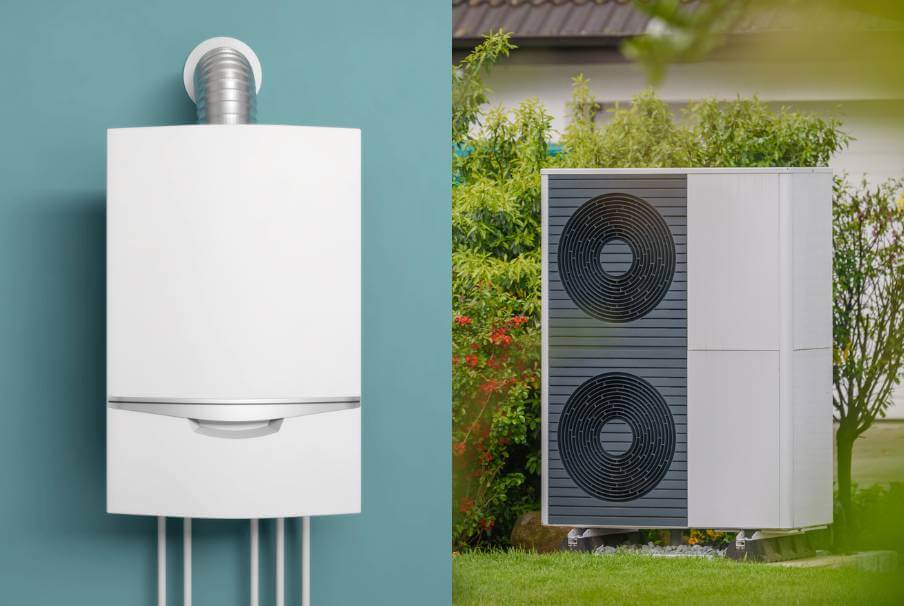
Many people wonder about the key differences between a heat pump and a traditional boiler. While a boiler burns fuel like natural gas or oil to create heat, a heat pump collects heat from the outside air or ground and transfers it indoors using electricity. Both systems use hot water cylinders, but it’s their costs, environmental impacts, and technical differences that sets them apart.
Technical differences
There are many key technical differences between boilers and heat pumps. For example, boilers heat water quickly and work well with traditional hot water tanks, providing high temperatures for radiators and showers. On the other hand, heat pumps operate at a lower temperature, so they require larger radiators or underfloor heating systems for the same amount of comfort.
As well as that, heat pumps often need a larger hot water cylinder with a high Coefficient of Performance (CoP) to ensure efficient heat storage and transfer. With this in mind, they may need more outdoor space, especially if you opt for a ground source heat pump, whereas boilers can fit neatly indoors.
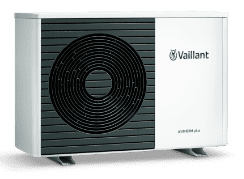
Another key technical difference is efficiency. Most modern heat pumps boast high efficiency and often deliver more heat energy than the electricity they consume. For example, some air source heat pumps achieve a CoP above 4, while traditional boilers typically reach 90-94% efficiency. Ultimately, heat pumps are more energy efficient due to their ability to extract renewable energy from the environment.
Cost differences
Installation costs and potential savings matter when it comes to choosing the right heating system. The initial cost of a heat pump is often much higher than a traditional boiler, but running costs can be lower thanks to better energy efficiency and potential government grants. Here’s a breakdown of the typical costs for each system:
Traditional boilers
- Gas boilers often have a lower initial cost of £500 – £2,000
- Their running costs are usually higher as they burn gas and oil to operate
- There are limited government grants available for traditional boilers
Air source heat pumps
- Initial costs for heat pumps are much higher, averaging between £7,000 – £30,000
- Running costs are significantly lower due to them running on electricity
- There are government grants available via the Boiler Upgrade Scheme (BUS)
Boilers are typically easier and less costly to install. However, in contrast, heat pump installation involves a larger upfront cost, but the cost to run these systems are usually lower over time, especially when you consider rising fuel prices. It’s also important to factor in maintenance as both options will require annual servicing.
Environmental differences
When it comes to environmental impact, the contrast between boilers and heat pumps is significant. Gas boilers rely on fossil fuels, which means you’ll produce more carbon dioxide and raise your home’s carbon footprint. It’s one of the main reasons why there’s been a push for adopting renewable heating systems to reduce household emissions in recent years.
Switching to a heat pump means you’ll use considerably less energy for the same amount of heat, making your home both greener and more future-proof. By installing a heat pump, you’re making a clear choice for lower energy use and supporting a cleaner, more sustainable future.
Is it easy to switch from a boiler to a heat pump?
Upgrading from a traditional boiler to a heat pump is appealing, but how easy is it? While boilers and heat pumps both connect to hot water cylinders, the installation process for a heat pump is more complex and may require adjustments to your home’s pipework, radiators, and even your insulation.
Some other additional work that may be needed include heat loss calculations to size the new system and determine whether you need an underfloor heating system or larger radiators. You’ll also more than likely need to install a hot water cylinder that is specifically designed for your heat pump.
Ultimately, if you’re switching from a traditional boiler to a heat pump, you should expect some disruption during installation. Keeping these considerations in mind, along with available space for units, outdoor access, and the time required to install a heat pump, you can make an informed decision on whether you’re ready and prepared to switch.
Which is right for me?
Choosing whether a boiler or a heat pump is right for you will depend on a number of different factors, such as:
- Your home’s needs and energy efficiency priorities
- Upfront and running costs
- Your heating and hot water demands
- Whether you have the space required for either system
It’s also important to consider your current insulation and radiator set up because if you opt for a heat pump, you may need to upgrade these to maximise the systems effectiveness. As well as that, you should factor in the lifespan of each system. Boilers typically last 10-15 years, while heat pumps can deliver much more reliable heating for a longer period of time.
Once you’ve considered all of these factors, you can determine which heating system is right for your energy requirements, budget, and comfort in the long run.
Get a free quote today
When it comes to boilers vs heat pumps, understanding their key differences and benefits is crucial to making a decision on which is right for you. Keeping in mind your home’s energy needs, energy efficiency preferences, and budget also contributes to your decision.
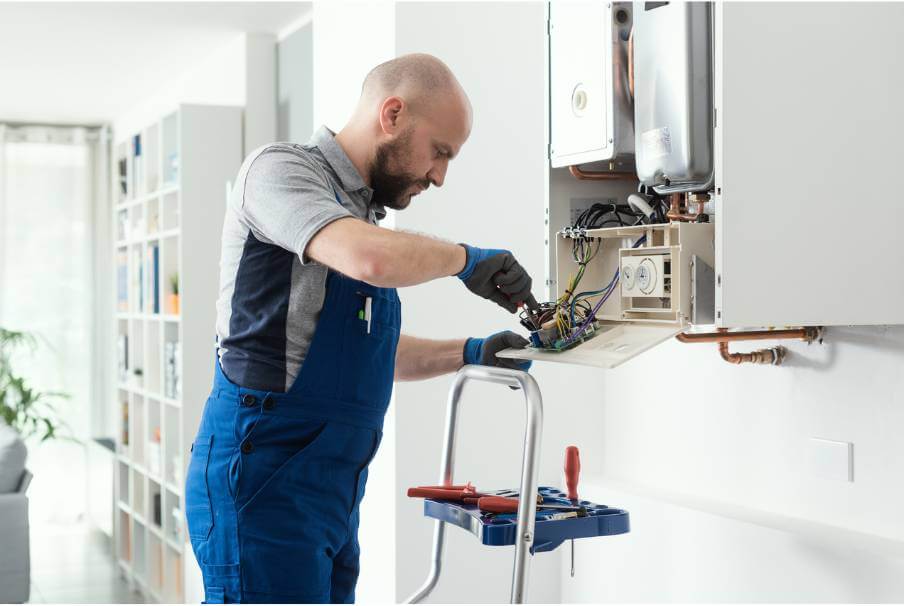
At Eco Providers, we can supply and install a range of top-quality boilers from major household names including Vaillant and Baxi. Get a free quote today and trust our certified boiler professionals with your new A-rated boiler.
If you choose to opt for a heat pump, we can check your eligibility and apply for a grant under the Boiler Upgrade Scheme (BUS) on your behalf, where you could get up to £7,500 off your installation costs. Get a free quote today and see how we can make the installation process simple and straightforward.
FAQs around boilers and heat pumps
Yes, heat pumps are generally more efficient than boilers. A heat pump system can deliver three to five units of heat for every unit of electricity used, offering a high CoP. This means you get more warmth for less energy compared to even the most efficient boiler.
Both heating solutions require annual maintenance. A boiler system needs regular servicing to check for leaks, pressure, and safe operation, while heat pump maintenance may include filter cleaning and checks for refrigerant leaks. Proper care ensures both systems maintain their average lifespan and efficient water heater performance.
Not always. Heat pumps work best in well-insulated properties. Homes with poor insulation may need some improvements before a heat pump becomes cost-effective. Boilers can be more flexible for certain properties, particularly older buildings where retrofitting is difficult.