

How Do Air Source Heat Pumps Work?
Eco Providers
June 10, 2025
June 10, 2025
When it comes to keeping your home comfortable, understanding how your heating system works can make all the difference in their efficiency and your energy consumption. Air source heat pumps have emerged as a popular and energy-efficient choice for homeowners looking to maintain a cosy living environment without breaking the bank.
But how do air source heat pumps work? If you’re curious about how they operate, keep reading because in this blog, we explore the mechanics of these innovative systems, helping you to understand if they’re a good fit for your home.
How do air source heat pumps work?
The mechanics behind air source heat pumps revolve around a smart heat pump system, which absorbs, boosts, and transfers heat energy from the outside air. Even in winter, these systems are equipped to pull thermal energy from the cold air to heat your home. Think of them as a fridge but working in reverse
Here’s a step-by-step breakdown of how they work.
Step 1: They absorb heat from the outside air
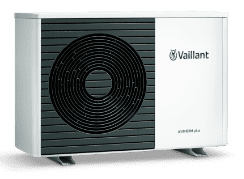
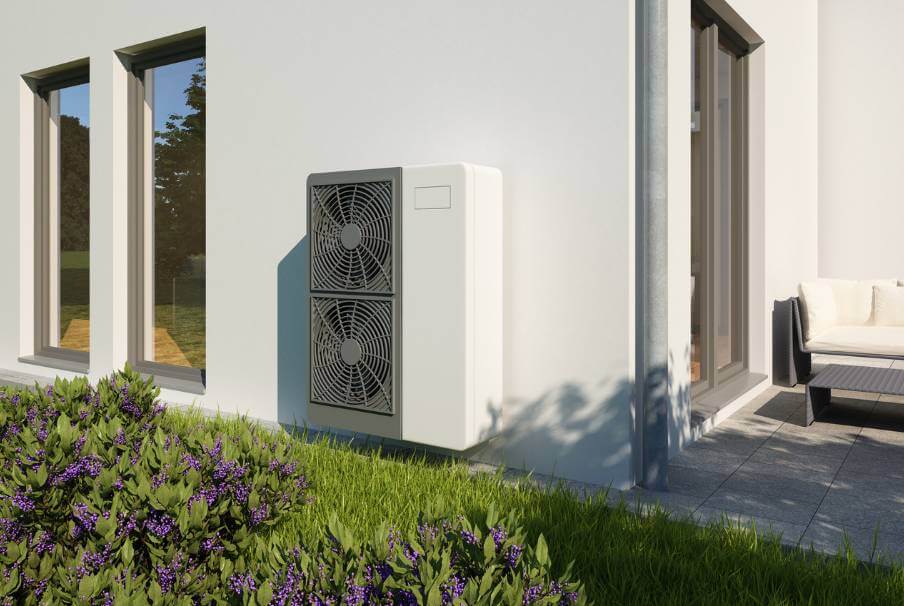
The process kicks off with the heat exchanger coil in the outdoor unit absorbing the heat from the outside air. It works very similar to a sponge soaking up water – the outdoor unit extracts all the available energy via the heat exchanger coil.
Step 2: The air is compressed which boosts the temperature
Once the heat energy from the outside air is absorbed, it enters the pump system and passes through the compressor. The compressor then boosts the heat energy by increasing the refrigerant’s pressure. This boost is what helps the energy become even warmer.
Step 3: The heat is transferred into your home
After the heat energy has been boosted, it’s transferred to a set of heat exchangers, which distributes the heat evenly throughout your home. These exchangers manage the heat transfer to facilitate efficient heating which can be distributed into your radiators, underfloor heating, or a hot water tank for example.
Step 4: The process is repeated
The beauty of air source heat pumps is that they operate in a continuous cycle to ensure you have efficient heating throughout your home. Once the heat energy has been compressed and distributed in your home, the system repeats this entire process all over again. This cycle is what ensures year-round comfort and energy efficiency.
How much electricity does an air source heat pump use?
The amount of electricity an air source heat pump will use will depend on a few factors, such as the size of your home, your heating demands and usage, and your energy tariff. On average, these systems only use a few kWh of electricity to operate. That’s because air source heat pumps are designed to use minimal amounts of electricity without compromising performance, and this makes them a cost-effective choice for many.
Thanks to their efficient energy transfer, many homeowners use less energy to maintain a consistent temperature, which results in reduced energy bills. Over time, these savings can be substantial. However, beyond reduced energy bills and usage, air source heat pumps provide reliable heating while contributing to environmental sustainability.
How efficient are air source heat pumps?
Air source heat pumps stand out for their high efficiency and ability to deliver more energy than they consume – often producing two to three times their input in heat. When compared to traditional heating systems, like boilers, their efficiency is unparalleled. With their energy saving abilities, they ensure maximum environmental and cost benefits, whilst providing stable warmth for your home.
However, there are a few factors to keep in mind to ensure maximum efficiency, such as:
- The outdoor temperature – whilst heat pumps can work in almost any climate, they work harder in extreme cold, meaning particularly cold climates may pose challenges for efficiency.
- Fan speed – if you adjust the fan speed, it will alter how quickly the system distributes heat in your home, and this can impact your overall energy use.
- The type of heat pump – with different types of heat pumps available, variants like ground loop systems may offer enhanced efficiency compared to air source models.
- Heat pump capacity – larger systems are better suited for bigger homes, as they ensure adequate heating for the whole house.
By keeping these factors in mind, you can maximise the potential of your heat pump and reap the benefits of energy savings along with year-round warmth.
How noisy are air source heat pumps?
Many people often think air source heat pumps are noisy, and while the outdoor units do emit some noise as they operate, newer models are designed to reduce the amount of noise they make. Even during the cooler seasons when fans are in constant use, newer systems produce minimal noise.
More often than not, where you install your heat pump can make all the difference in minimising noise levels. If strategic installation isn’t possible, there are ways to manage and reduce noise levels including:
- Fan speed control – you can adjust your fan settings to operate a lower speed during quieter periods.
- Invest in newer models – as previously mentioned, modern heat pumps are designed to work much quieter than older models.
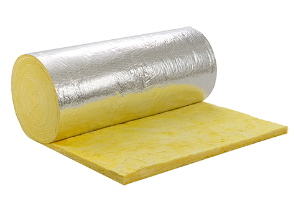
- Install soundproofing materials – consider installing noise-blocking barriers around the outdoor unit to help absorb vibrations, or ensure you have proper insulation installed in your home to not only reduce noise, but also retain heat.
Ready to install an air source heat pump?
If you’ve been thinking about installing an air source heat pump to your home for a while, get in touch with us today. Our specialist team is on hand to provide expert guidance on the right system for your needs to ensure you enjoy the full benefits they can bring.
From assessment and planning to installation and post-setup support, we’ll streamline the entire process and take care of all the little details. We’ll also check your eligibility for the Boiler Upgrade Scheme (BUS) to see if you’re entitled to up to £7,500 off the cost of installation – and we’ll even handle the application process on your behalf.
Speak to us today or get a fixed quote and take the first step toward sustainable energy solutions for your home.
FAQs around how heat pumps work
An air source heat pump is made up of several key components, including the outdoor unit, heat exchanger, reversing valve, and condenser coil. Together, these parts facilitate the absorption, compression, and transfer of heat to ensure efficient operation.
Air source heat pumps are more energy-efficient than traditional heating options like gas boilers. They reduce energy costs and provide environmental benefits while integrating seamlessly with existing central heating systems, like radiators.
Modern heat pumps are designed to provide efficient heating even in colder climates. They can extract heat from cold air and operate effectively in temperatures as low as -25°C, making them highly suitable for the UK’s winter weather.