




A Guide to Air Source Heat Pump Sizing
Eco Providers
September 23, 2025
September 23, 2025
Every homeowner wants to create a comfortable living environment while also being mindful of their energy consumption and costs. Air source heat pumps are becoming increasingly popular due to their eco-friendly nature and cost-effectiveness.
However, if you’re thinking about upgrading to one of these heating systems, it’s important to understand the importance of air source heat pump sizing. Ensuring you have the right heat pump size makes all the difference in its efficiency and performance.
In this blog, we’ll walk you through everything you need to know about choosing the correct size, along with key factors to consider so you can make an informed decision for optimal comfort and savings.
What is a standard air source heat pump size?
When we talk about heat pump size, we’re referring to its heating power output, which is measured in kilowatts (kW). A higher kW rating means the unit can generate more heat. There isn’t a one-size-fits-all “standard” air source heat pump size because the perfect match depends entirely on your home’s specific needs. The goal is to install a heat pump that can efficiently meet your heating load without being too powerful or too weak.
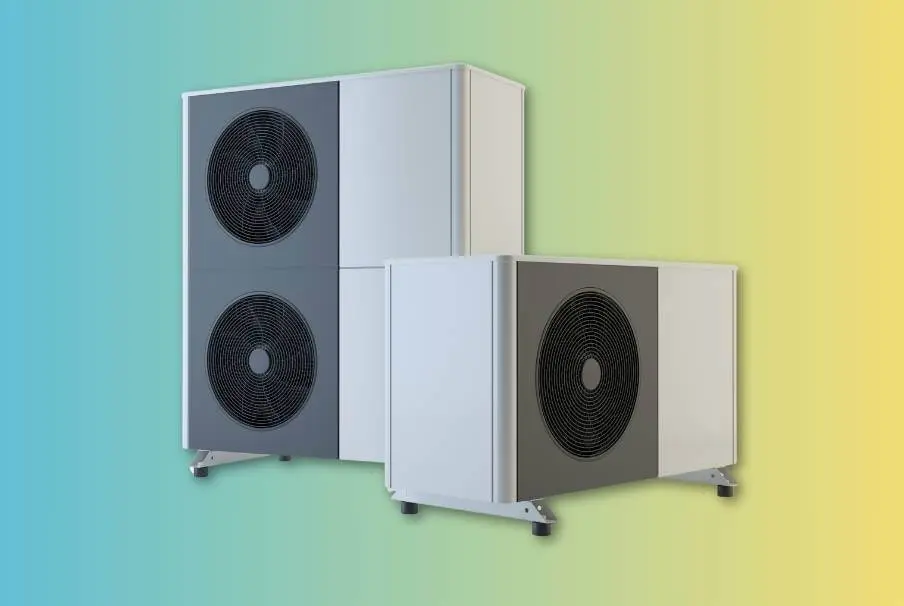
For most homes, heat pump sizes typically range from 4kW to 16kW. A smaller, well-insulated house might only need a 4kW or 5kW unit, while larger homes or older, less insulated properties may require a more powerful heating system.
The size you’ll need will depend on your property’s size and what insulation you have. Some common power output sizes based on property type and insulation quality include:
1-2 bedrooms
- Well-insulated – 4kW
- Poorly insulated – 6kW
3 bedrooms
- Well-insulated – 5kW
- Poorly insulated – 7.5kW
4 bedrooms
- Well-insulated – 10kW
- Poorly insulated – 15kW
5 bedrooms
- Well-insulated – 16kW
- Poorly insulated – 16kW+
It’s important to remember that these are just estimates and getting a professional survey is recommended. You can speak to our experts here at Eco Providers to arrange an assessment of your home to get a better understanding of the right heat pump size for your property.
Why do air source heat pump sizes matter?
You might be wondering if air source heat pump sizing really makes a difference. The short answer is yes. The correct size is fundamental to heat pump efficiency, your home’s comfort, and the longevity of the unit. Choosing the wrong size can undermine the benefits of switching to a heat pump.
Many people believe “bigger is better”, but with an oversized unit, it will heat your space too quickly and shut off, causing a process known as short cycling. This constant starting and stopping can create a few issues, such as:
- Increased wear and tear – short cycles put extra strain on the compressor, which can reduce the lifespan of your heat pump.
- Wasted energy – the system uses a surge of power every time it starts, so frequent cycling increases your energy costs.
- Poor dehumidification – if the pump doesn’t run long enough to effectively remove moisture from the air, it can lead to a damp, uncomfortable feeling.
Similarly, an undersized unit will run constantly, struggling to meet your home’s heating demand, especially on cold days. An overworked unit leads to poor performance, high energy bills, and premature failure. It may also fail to provide enough heat for your hot water cylinder or underfloor heating.
Choosing the correct heat pump size has a direct impact on your home’s overall energy efficiency. A correctly sized unit operates in long, steady cycles, which is the most efficient way for it to run. This ensures it uses just the right amount of heat and energy to maintain a comfortable temperature, keeping your energy costs as low as possible.
What size air source heat pump do I need?
So, how do you find the right sized air source heat pump for your home? Determining the perfect match isn’t as simple as just looking at the size of your home. While square footage is a starting point, the best way to work out the right heat pump size involves a detailed and professional analysis of your property.
A professional installer will start by performing a heat loss calculation based on several key factors of your home. Understanding these will not only help you maximise the efficiency of your heat pump, but also minimise your energy bills. Below are some of the most common factors that will come into play.
Home size, layout, and construction
The physical size of your home is one of the biggest factors in determining air source heat pump sizing. As a general rule, bigger homes with more square feet will need a heat pump with a higher kW output to meet the higher demand. A small, one-bedroom apartment will have much lower heating demands than a large, five-bedroom house.
However, it’s not just about total area. The layout of your home also plays a role. A property with an open-plan design may have different heating dynamics than one with many small, separate rooms. High ceilings will also increase the amount of air that needs to be heated, which will influence the required power output.
The construction of your home matters, too. Older properties built with less airtight materials will naturally lose more heat than modern, well-sealed homes. An installer will take all these details into account to ensure the heat pump can comfortably heat every part of your home without being overworked.
Insulation, windows, and air leakage
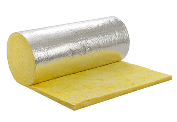
Your home’s ability to retain the heat it generates is just as important as its size. Poor insulation is a major cause of heat loss, forcing your heating system to work harder and longer to maintain a comfortable temperature. A home with good quality insulation in the walls, roof, and floors will require a smaller, more efficient heat pump.
Windows and doors are also key points of heat loss. Older, single-paned windows and drafty doors contribute to air leakage, letting cold air in and warm air out.
Before you install a new heat pump, it’s wise to assess your home’s insulation and airtightness. Making improvements, such as adding loft insulation or sealing drafts, can reduce your heating load. This could mean you have the option to install a smaller, less expensive heat pump.
Climate and location
Where you live has a significant impact on heat pump sizing. The local climate determines the lowest outdoor temperatures your heat pump will have to operate in. An air source heat pump in a colder region will need to work harder to extract heat from the air than one in a milder area, which often means different sizes are needed for identical homes in different parts of the country.
To ensure your system can handle the coldest winter days, installers will size the heat pump based on your area’s “design temperature.” This helps guarantee your home stays warm all year-round and ensures your heat pump is optimised for energy efficiency and performance, giving you peace of mind you’ll have a consistent living temperature.
Choose us for your heat pump installation
Choosing the right air source heat pump sizing is so important for maximising efficiency, comfort, and cost-effectiveness. By understanding the key factors that influence heat pump sizes, you can work with your chosen installer to help make the right choice.
At Eco Providers, we’re Microgeneration Certification Scheme (MCS) certified heat pump installers, meaning we can guarantee top-notch installation of your chosen unit. If you’re ready to take the first steps to installing an air source heat pump, don’t hesitate to contact us today, or get a fixed quote online. We can check your eligibility for the Boiler Upgrade Scheme (BUS) which could see a £7,500 grant towards your installation.
FAQs around heat pump sizes
No, installing a larger heat pump is not recommended if your property doesn’t need it. Oversized heat pumps suffer from short cycling, which increases wear and tear, drives up energy costs, and reduces overall heat pump efficiency. It’s crucial to get the size right rather than simply installing a more powerful and expensive unit.
The only reliable method for accurate air source heat pump sizing is a professional heating load calculation (as per BS EN 12831) performed by a qualified heat pump installer, like Eco Providers.
Determining your home’s heating demand requires a full professional survey. This will assess all the necessary factors, such as the size of your property, insulation, window types, and local climate, to calculate the amount of heat needed. This detailed analysis ensures the size of your heat pump perfectly matches your home for optimal energy efficiency.