

Is My Home Suitable for Solar Panels?
Eco Providers
June 26, 2025

June 26, 2025
As a homeowner, you might be wondering if solar panels are the right fit for your home. With rising energy costs and growing concerns about environmental impact, more and more people are considering solar energy as a viable alternative. But how do you know if your home is suitable for such an eco-friendly upgrade?
In this blog, we’ll help you assess whether your home is suitable for solar panels by sharing some key factors to keep in mind. From roof orientation to the best materials to accommodate solar panels, we’ll provide helpful information so you can make an informed decision about going solar.
Is my roof suitable for solar panels?
Your roof’s compatibility with solar panels will depend on various factors such as the shape, structural strength, and orientation of your roof for example. Even if your roof doesn’t meet the ideal requirements, or you have an unconventional roof, it may still be suitable for solar panels thanks to modern technologies.
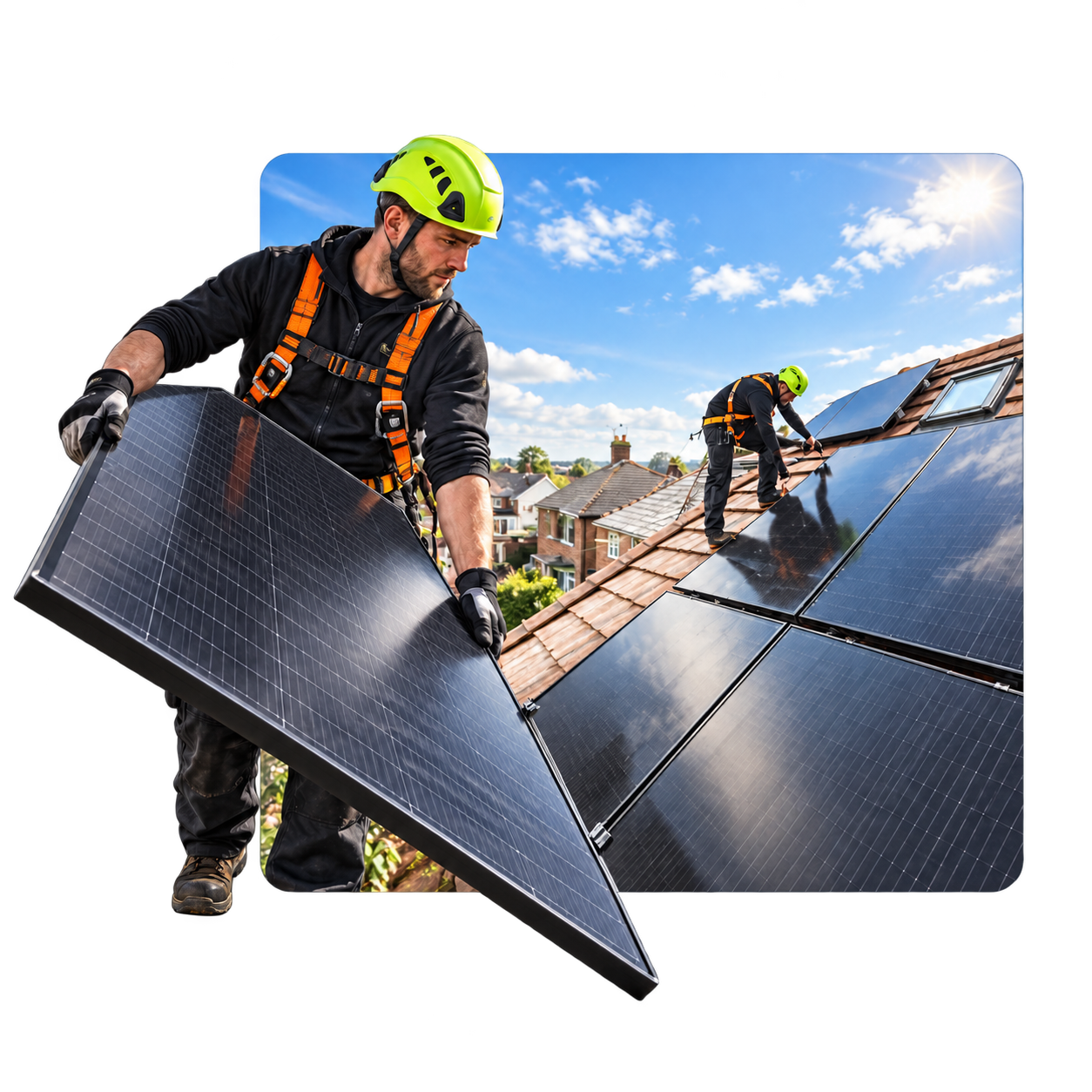
Choosing expert solar installers, like Eco Providers, also plays a part as our professionals can recommend tailored solutions for your roof to maximise panel efficiency. We’ll conduct a comprehensive survey of your home where we’ll assess the potential electricity production of your roof and help plan a solar system tailored to your energy needs and budget.
The type of materials your roof is made from also makes a difference on whether you can install solar panels to your home. While most materials are compatible, some provide better durability and ease of installation. Some of the best roof materials for solar panels include:
- Asphalt shingles – these are highly reliable, durable, and efficient for installing solar panels as the textured surface offers excellent anchoring.
- Metal – these make solar installations very easy as they can be directly attached, offering long-term strength and stability.
- Tiles – generally heavier but can still accommodate solar panels while providing a unique aesthetic appeal.
- Tar or gravel – these are usually found on flat roofs but can still be effective when the panels are angled with brackets.
It’s always highly recommended to speak to a professional solar panel installer to get an expert assessment of your current roof condition and materials to ensure it can definitely support solar panels and maximise both energy production and system longevity.
What roofs are not suitable for solar panels?
It’s important to understand that not all roof types are best suited for solar panel installations, but that’s when a professional survey can help determine this. Below are some instances where a roof wouldn’t be ideal for solar panels.
North-facing roofs
North-facing roofs are less ideal for solar installations because they receive minimal sunlight, and this will ultimately lead to lower power generation. The direction of your roof impacts how much sunlight the panels will absorb, meaning your energy output will be significantly lower with a north-facing orientation.
Roofs with limited space
A standard 4kW system typically requires around 28 square meters of roof space, meaning the size of your roof can affect how many solar panels you can install. If you have a particularly small roof, or you have obstacles like vents or skylights, this reduces the amount of usable areas and limits electricity production.
However, with that being said, there are work-arounds if you have a small roof. For example, you might need flexible solar panels or a scaled-down system to fit the available space effectively. As mentioned, speaking with a professional solar installer means they can assess your roof space and offer tailored solutions so the space is optimally utilised for efficient energy production.
Heavily shaded roofs
Shade from nearby buildings or trees can significantly lower the energy output of your solar panels. Less exposure to sunlight results in lower electricity production, making heavily shaded roofs challenging for solar systems.
If your home is heavily shaded, you can arrange for a professional to conduct shading analysis as part of a survey to assess whether roof-mounted solar panels are suitable. If they’re not, alternative systems like ground-mounted panels are available if you have the ground space to accommodate them. With the right advice, you can overcome shading issues and make the most of renewable energy opportunities.
What is the best roof direction for solar panels in the UK?
The best roof direction for solar panels in the UK is south-facing. This is because these roofs get the most sunlight, which maximises energy generation. South-facing panels also maintain optimal efficiency throughout the year, giving you a reliable source of renewable energy all year round.
A pitch between 30 to 40 degrees is also typically considered ideal for solar panels in the UK climate as they optimise the panel’s exposure when the sun is at its strongest, offering maximum power generation for all types of household needs.
East and west-facing roofs are also viable options and can produce a good amount of electricity throughout the day. East-facing panels will see the most sunlight in the morning, whereas west-facing panels will be exposed to sunlight in the afternoon and evenings.
Get a free solar quote today
If you’re ready to install solar panels to your property, don’t hesitate to contact us to arrange for our MCS certified solar panel installers to assess your property and provide expert advice to determine your roof’s suitability and maximise your systems potential. Alternatively, you can complete our simple and easy online form to get your free solar quote.
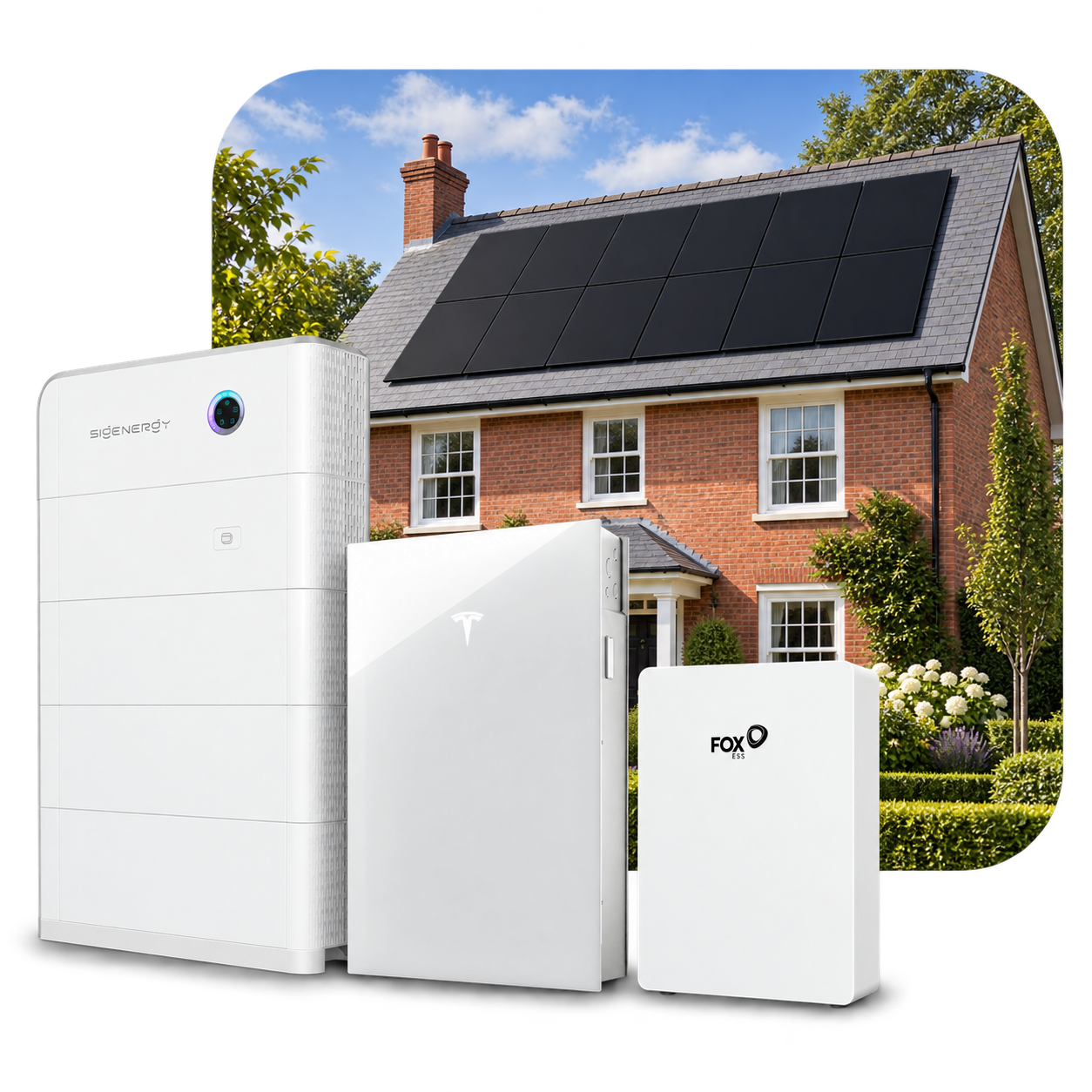
We also offer solar battery storage which can be coupled with your panels to enable you to store and save excess electricity and ensure long-term value of your system. Speak to our friendly team today to learn how you can truly optimise the power of renewable energy in your home.
Solar panel installation FAQs
The amount of roof space you’d need would depend on your energy consumption and the size of your home. However for a typical 4kW system, you would need approximately 28 square meters. It’s strongly recommended to consult with a professional solar installer, like Eco Providers, for a complete assessment that is tailored to your home’s layout and energy needs.
Solar panel installation doesn’t harm your roof when performed by MCS certified installers. There are proper roof penetration techniques and adjustments that can be made to prevent damage. Specialists will assess your roof’s material and shape before ensuring a secure and durable setup.
To determine if your roof is strong enough for solar panels, a comprehensive assessment should be conducted to dictate its structural integrity, age, material, and condition. Specialist installers will evaluate load capacity and ensure it can support both the panels and any additional weight such as panel equipment.