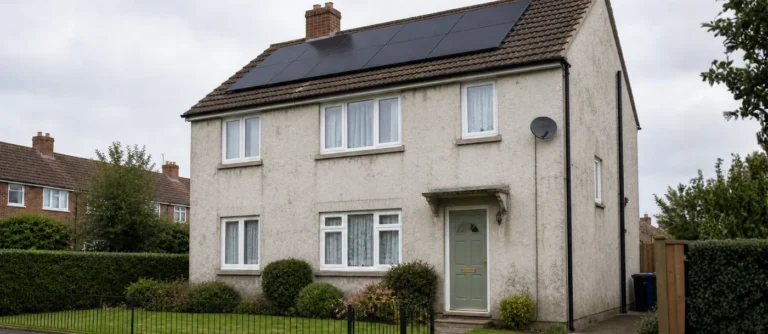


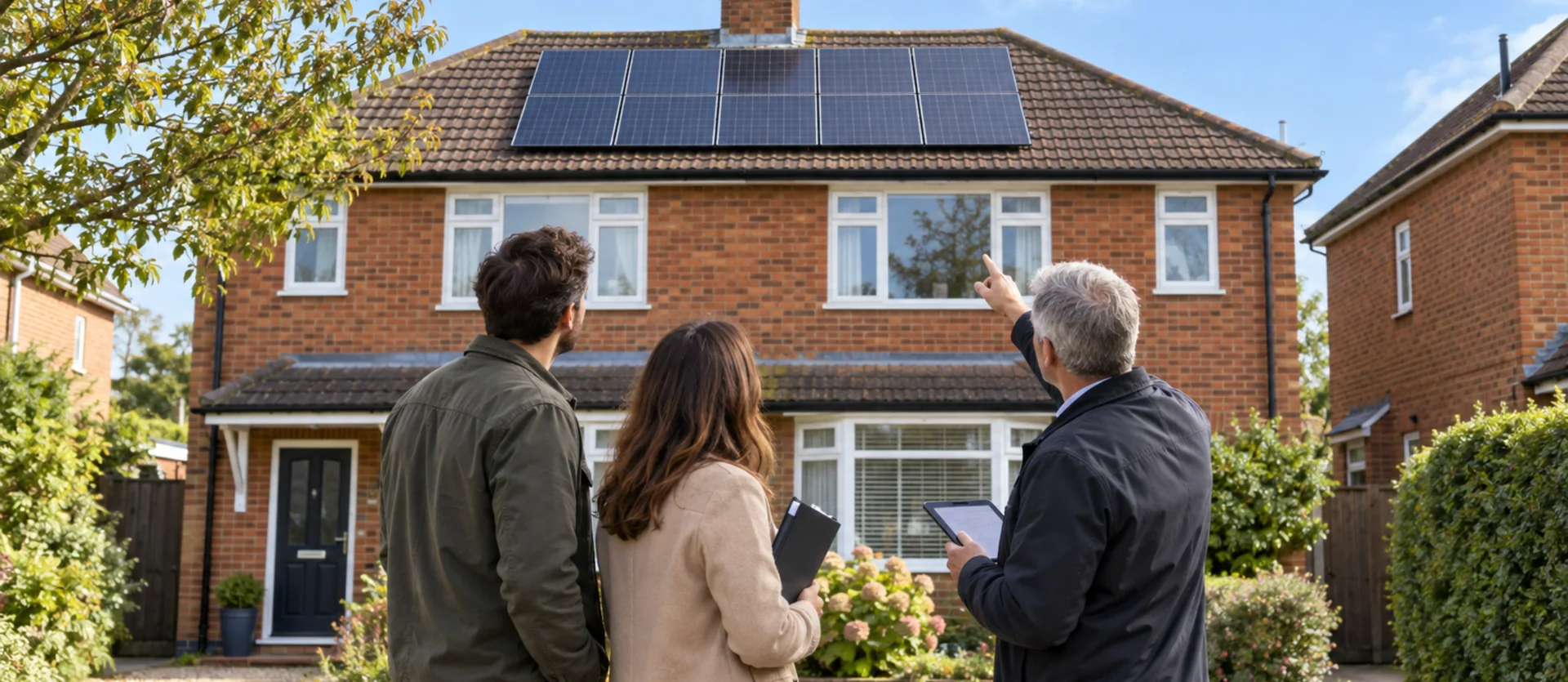
AI-generated illustrative image: Prospective buyers and a surveyor reviewing a home with solar panels. It does not depict a real Eco Providers customer or property.
Buying a home with solar panels can be a real advantage - but only when you understand who owns the system, how it performs and which documents and payments transfer with the property. These checks help buyers avoid surprises before exchange.
Buyer checklist: establish ownership before exchange
Ask your solicitor and surveyor to confirm the legal, financial and physical position of the solar installation before you commit.
Author: William Meadows, Eco Providers | Expert contribution: Ian Cartledge, Head of Net Zero | Last reviewed: 7 October 2026

Buying a solar home at a glance
- •Confirm whether the panels are owned, financed, leased or part of a rent-a-roof arrangement.
- •Identify whether income comes through the Feed-in Tariff or a Smart Export Guarantee contract.
- •Request the MCS certificate, invoice, warranties, commissioning documents and manuals.
- •Check the roof, panels, cabling, inverter and monitoring data.
- •Clarify how registrations, warranties and export arrangements will transfer.
- •Arrange specialist advice if ownership or system condition is unclear.
1. Establish who owns the solar panels
Do not assume the panels belong to the seller. They may be owned outright, subject to finance, leased to a third party or installed under an older rent-a-roof agreement. Ownership affects what is included in the sale, who receives income and whether a lender or installer has rights over the roof.
Ask your conveyancer to review the title, lease, finance documents and any restrictions. If money is outstanding, establish how it will be settled on completion.
2. Request the complete document pack
A well-documented system is easier to value, maintain and transfer. Ask for the original quotation and invoice, MCS certificate, DNO notification or approval, electrical certificates, commissioning records, warranties, manuals, installer details and evidence of maintenance or repairs.
Check which warranties are transferable and whether a transfer fee or registration deadline applies.
3. Check the roof and system condition
A standard home survey may not assess the electrical performance of a solar installation. Look at the age and condition of the roof, panel mounting, visible cabling, isolators, inverter and any signs of damage or water ingress. Compare recent generation data with historical records where available.
If the system is older, the inverter may need attention before the panels do. A specialist inspection is sensible where records are incomplete, monitoring is offline or the installation shows signs of alteration.
4. Understand FIT and export payments
Older systems may receive Feed-in Tariff payments, while newer owners can usually arrange a Smart Export Guarantee tariff for eligible exported electricity. These are different schemes with different contracts and transfer processes.
Ofgem advises a new owner of a FIT installation to contact the registered FIT licensee. For SEG, check the current supplier’s requirements and arrange a new export contract if needed. Record meter identifiers and readings at completion.
5. If there is a battery, check more than capacity
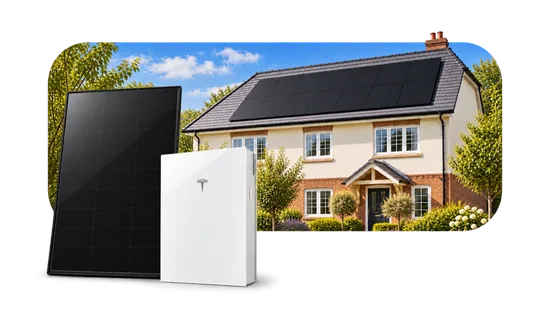
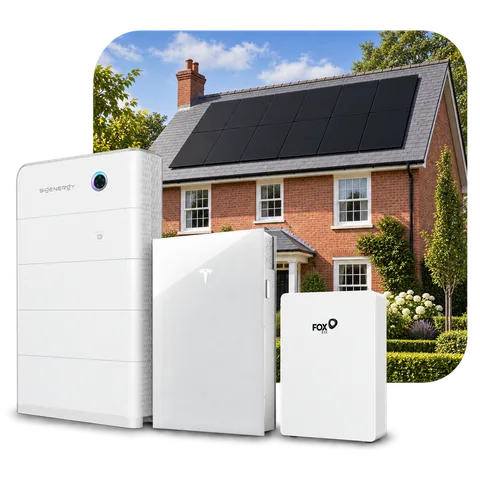
For any battery storage system, confirm the make, model, usable capacity, installation date, warranty, operating mode and whether backup power is included. Ask for monitoring access and available health or cycle data. Also establish whether the battery is owned outright and compatible with the inverter and tariff you intend to use.
The 15 checks to complete before exchange
Ownership & transfer
- 1Confirm legal ownership of the panels.
- 2Identify any lease, finance or roof-space agreement.
- 3Confirm what is included in the sale.
- 4Identify FIT or SEG arrangements.
- 5Confirm how payments and registrations transfer.
Documents & warranties
- 6Request the MCS certificate.
- 7Obtain the invoice and commissioning documents.
- 8Check DNO notification or approval.
- 9Collect product and workmanship warranties.
- 10Confirm warranties can transfer.
Condition & performance
- 11Review recent generation and monitoring data.
- 12Check the roof and mounting condition.
- 13Record the inverter’s age and status.
- 14For batteries, check ownership, health and warranty.
- 15Arrange specialist inspection where anything is unclear.
Need clarity on an existing solar system?
Eco Providers can help assess an existing installation and discuss suitable maintenance or upgrade options.
EXPERT VIEW
“When buying a home with solar panels, the paperwork matters just as much as the equipment. Confirming ownership, warranties, system performance and payment arrangements before exchange helps protect the buyer and makes future maintenance much simpler.”
Ian Cartledge, Head of Net Zero
Frequently asked questions
Do solar panels add value to a home?
They may improve running costs and buyer appeal, but value depends on ownership, condition, performance and the wider property market.
Can a mortgage be affected by leased panels?
Potentially. A lender may need to review the lease terms and roof-space rights. Raise this early with your mortgage adviser and conveyancer.
Will FIT payments automatically transfer?
No. The buyer and seller normally need to follow the registered FIT licensee’s change-of-ownership process and provide supporting evidence.
Should I commission a specialist inspection?
It is prudent when documentation is incomplete, monitoring shows faults, the roof needs work or ownership arrangements are complex.
Official sources
Important: This article provides general information, not legal, conveyancing, financial or surveying advice. Use qualified professionals for your transaction.