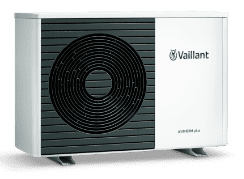

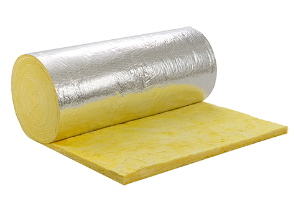
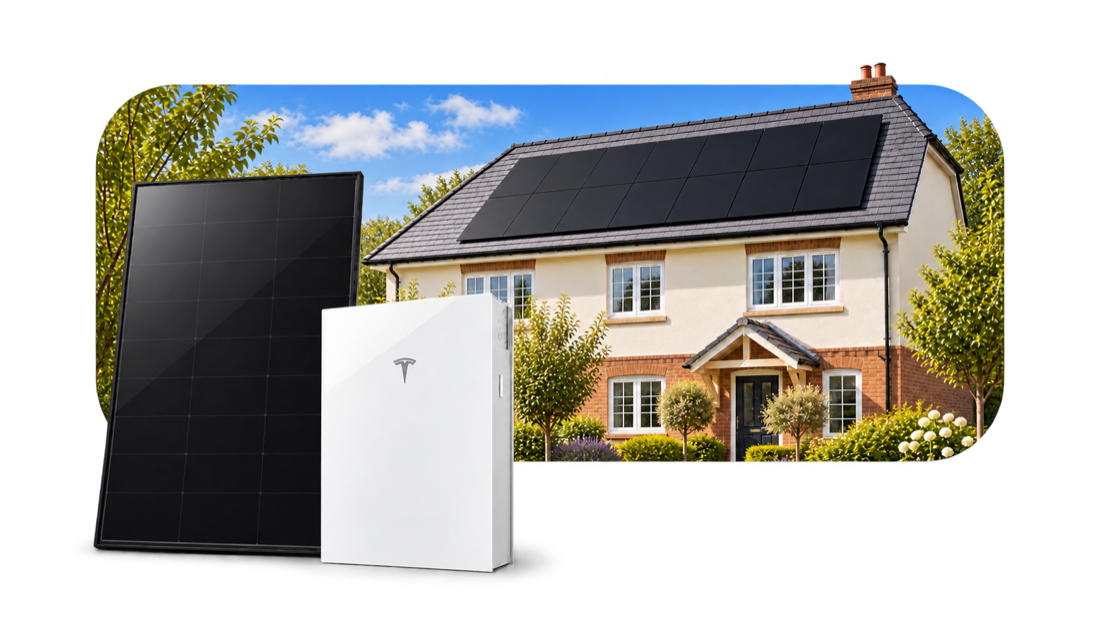
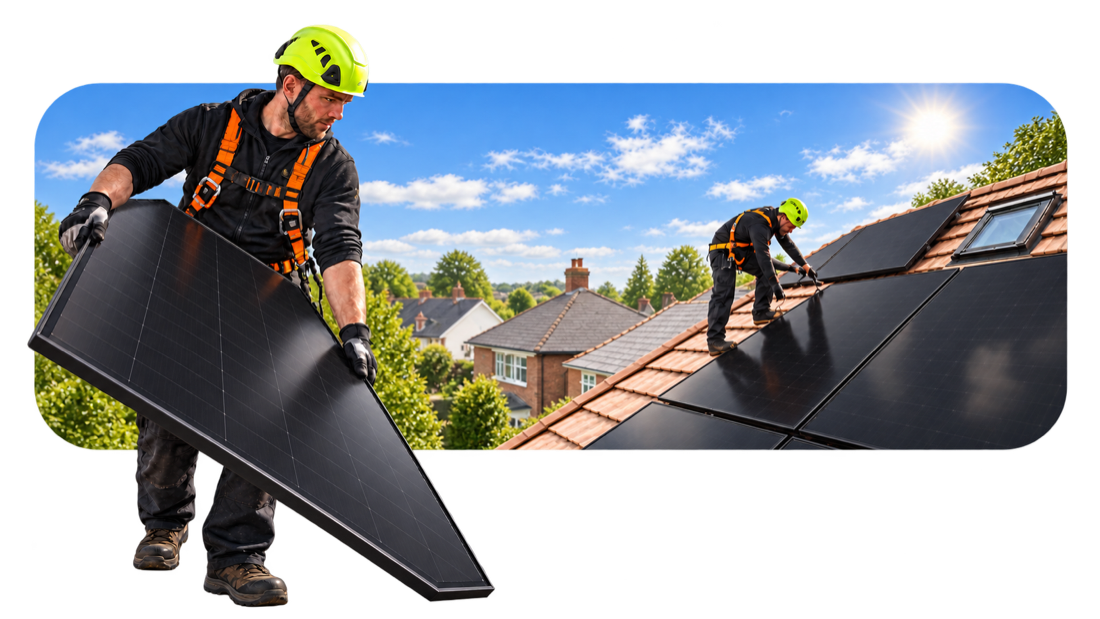
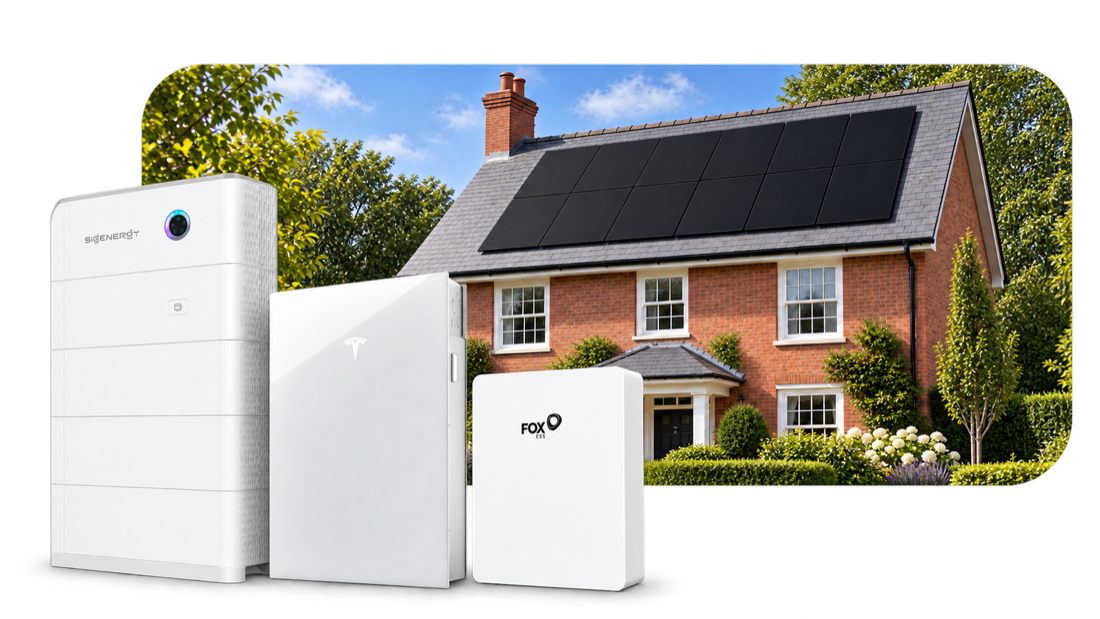
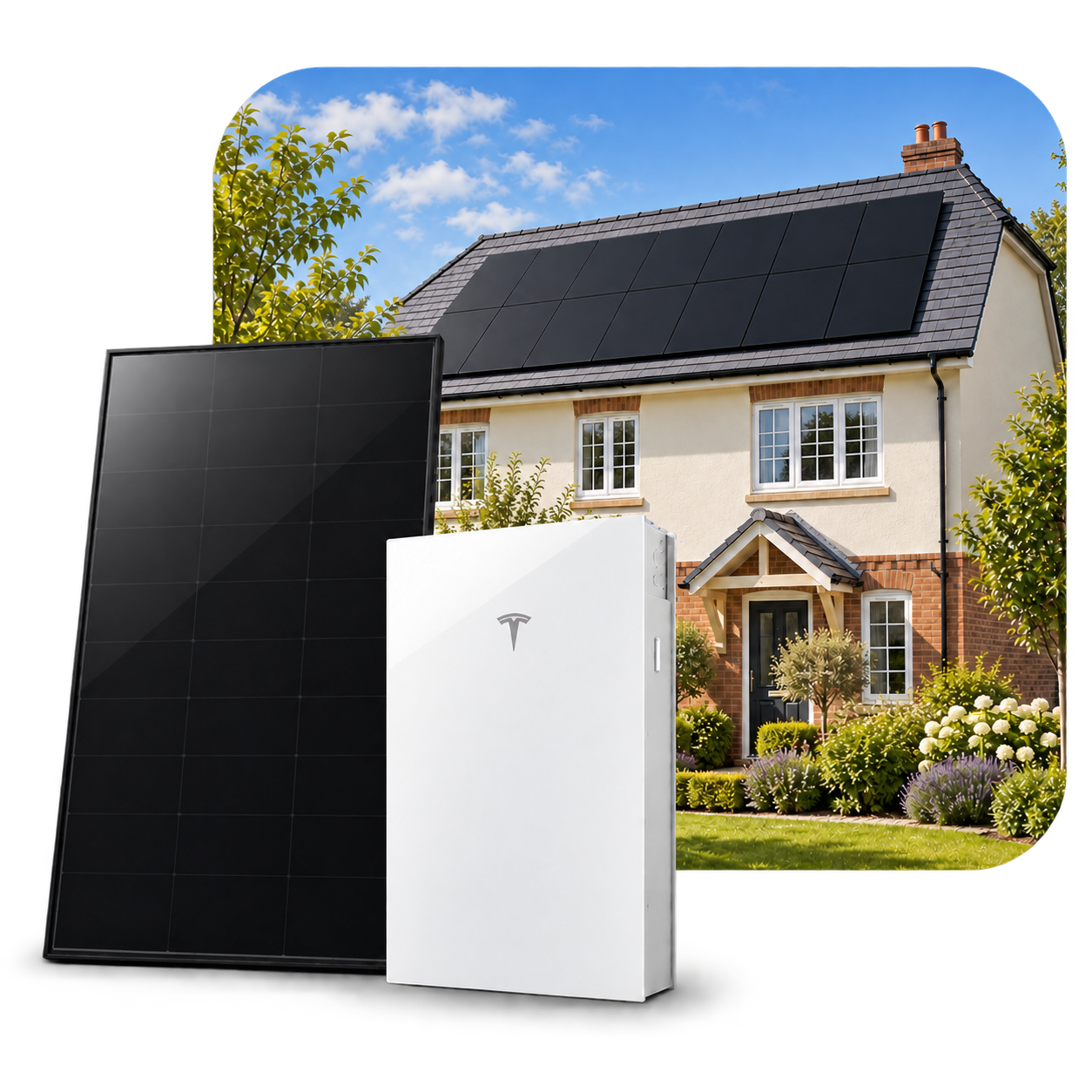
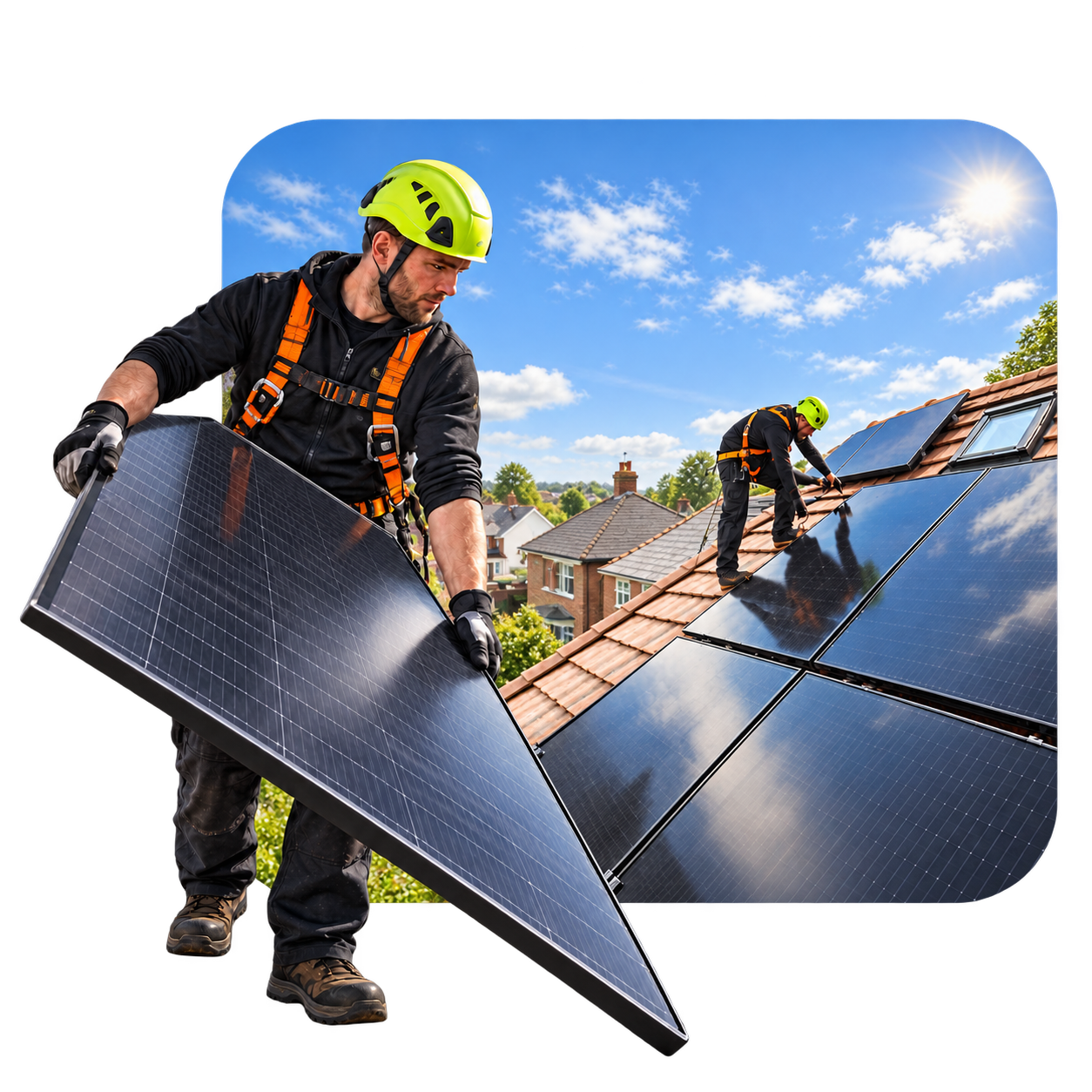
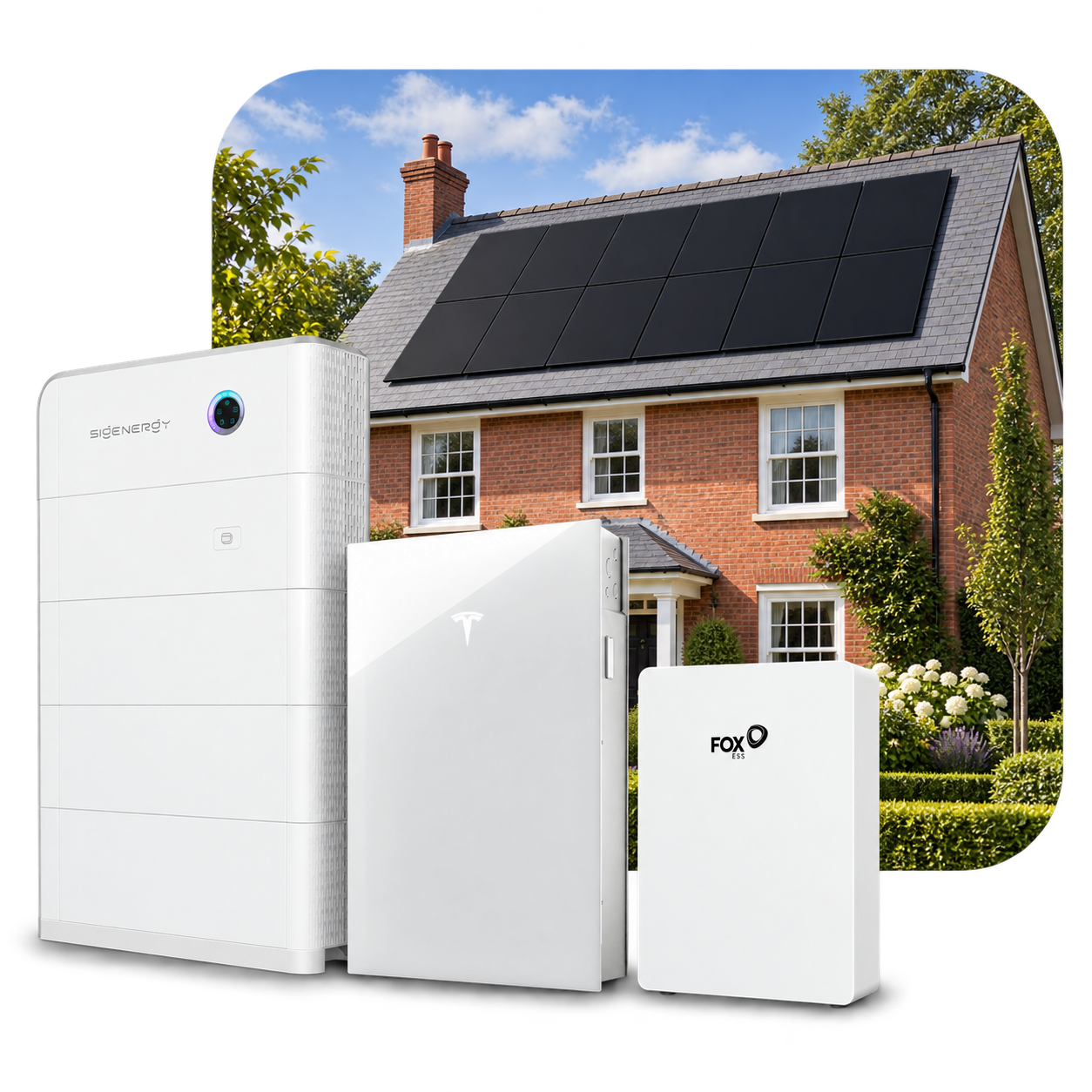
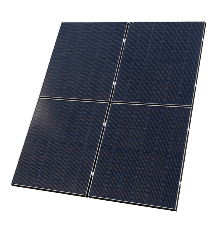
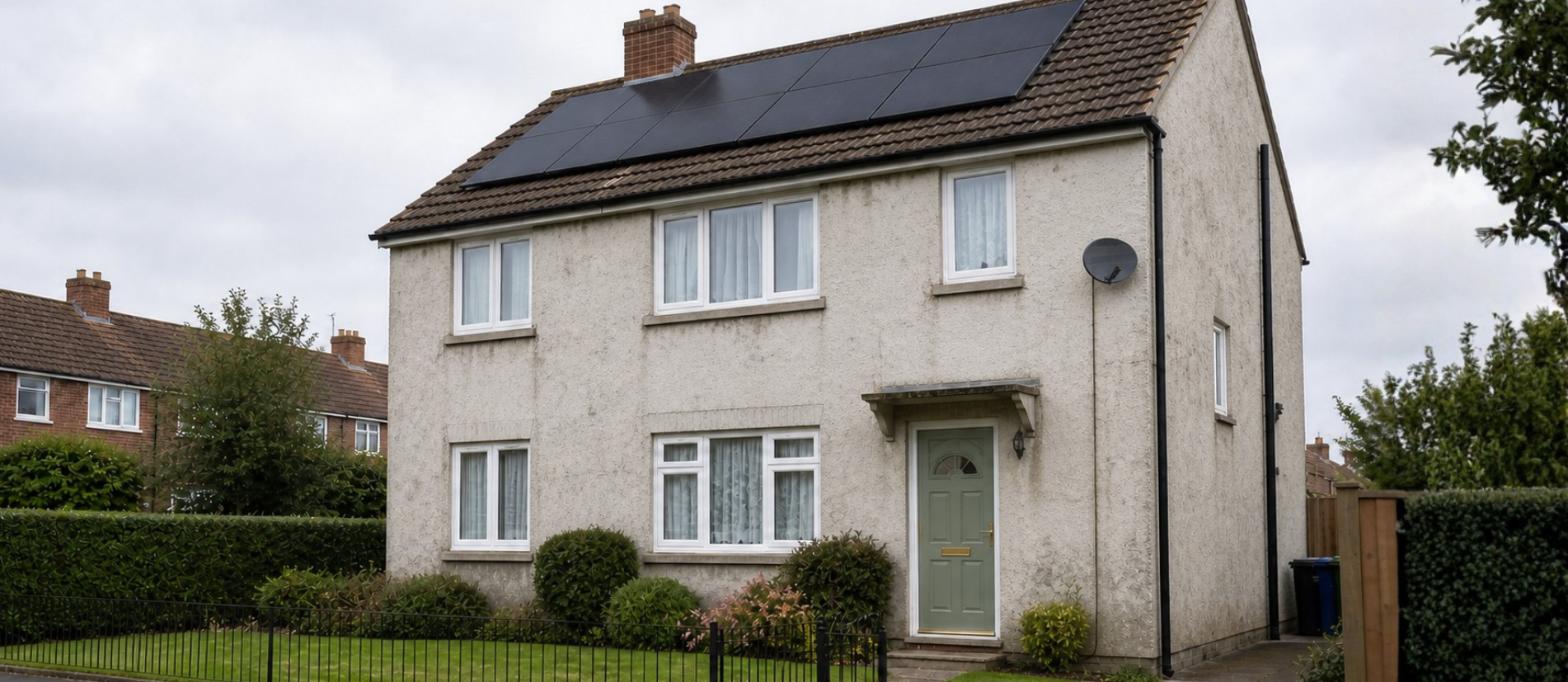
The Warm Homes: Local Grant helps eligible low-income households improve privately owned homes in England. Subject to eligibility, local funding and a property assessment, the scheme may provide fully funded improvements such as insulation, solar panels, smart heating controls and air source heat pumps.
The scheme is administered by local authorities and their appointed delivery partners. Your council makes the final eligibility and funding decisions and determines which improvements are appropriate for your property.
Scheme status: Available through participating local authorities
Applications, funding and available improvements vary by area and remain subject to household eligibility and a property assessment.
Author: William Meadows, Eco Providers | Expert contribution: Ian Cartledge, Head of Net Zero | Last reviewed: 11 August 2026

The scheme at a glance
- Available in England for eligible owner-occupiers and private tenants.
- The property normally needs an EPC rating of D, E, F or G.
- Gross annual household income is usually below £36,000, although other eligibility routes apply.
- Possible measures include insulation, solar panels, heating controls and low-carbon heating.
- Eligibility does not guarantee funding or a particular improvement.
- Your local authority or its appointed delivery partner manages the application and approved work.
What is the Warm Homes: Local Grant?
The Warm Homes: Local Grant is a government-funded programme designed to improve energy efficiency, reduce heat loss and support suitable low-carbon heating installations in eligible homes.
Unlike the Warm Home Discount, which provides help towards electricity bills, this grant funds physical improvements to the home. The exact work offered depends on the property assessment, technical suitability, local priorities and available council funding.
The programme is currently scheduled to run until March 2028, although funding is limited and availability varies by area.
Who may qualify?
You may qualify if:
- Your property is in England
- The home is owner-occupied or privately rented
- The property has an EPC rating of D, E, F or G
- Your gross annual household income is usually below £36,000
- You live in an eligible low-income postcode area
- Your household qualifies through benefits or another approved route
The £36,000 income threshold is not the only route. Different limits may apply after tax and housing costs, depending on the number of adults and dependants in the household. Some households may also qualify through specified benefits, eligible postcode areas or approved health and vulnerability criteria.
Meeting the basic criteria does not guarantee funding. Your council or its delivery partner must verify your eligibility, assess the property and approve suitable work.
Private tenants and landlords
Private tenants may qualify where the household and property meet the scheme rules. The landlord must normally give permission before work begins and may need to complete declarations or make a financial contribution.
Privately rented homes with an EPC rating of D or E may be eligible. An F- or G-rated rented property will normally need a registered exemption from the Minimum Energy Efficiency Standards before it can receive support.
A private landlord may receive full grant funding for one eligible rental property across the programme, subject to the applicable cost caps. For additional properties, the landlord will normally need to contribute at least 50% of the eligible upgrade cost. The tenant must still meet the household eligibility rules.
What improvements may be available?
Not every measure is available in every area or suitable for every home. The current range of possible improvements is summarised below.
| Improvement | What it may include | Important conditions |
|---|---|---|
| Insulation | Loft, cavity wall, solid wall, internal wall or underfloor insulation. | Selected according to the home assessment and technical design. |
| Solar panels | Roof-mounted solar photovoltaic panels. | Roof, orientation, shading and electrical suitability must be assessed. |
| Battery storage | Battery storage alongside solar or where otherwise appropriate. | Available only where technically appropriate and supported locally. |
| Air source heat pumps | Low-carbon space heating and hot-water systems. | The final decision to install low-carbon heating rests with the household. |
| Heating and ventilation controls | Smart controls, draught-proofing and associated ventilation measures. | May form part of a wider improvement package. |
A retrofit assessment and technical design will determine which improvements can be recommended. The council will then decide which measures it can fund.
How does the application process work?
- Check the basic criteria. Use the official checker or contact your local authority.
- Submit your details. Eligible enquiries are referred to the council or consortium responsible for your area.
- Complete eligibility checks. Evidence of income, benefits, ownership, tenancy or landlord permission may be required.
- Receive a property assessment. Suitable energy-efficiency and heating improvements are identified.
- Review the proposed measures. The delivery team confirms technical suitability and available funding.
- Installation. Approved work is completed through the scheme’s delivery arrangements.
Will the improvements be free?
For an eligible owner-occupier, the council will normally organise and pay for the measures it approves. There is no upfront charge for approved grant-funded work.
Private landlords may need to contribute. One eligible rental property per landlord can generally receive full funding within the scheme cost caps, while additional properties normally require a contribution of at least 50%.
Always obtain written confirmation of the approved work and any contribution before agreeing to an installation.
What are the potential benefits?
- Reduce heat loss and energy consumption
- Make the home warmer and more comfortable
- Support lower energy costs over time
- Improve heating control and the property’s EPC rating
- Reduce household carbon emissions
Results vary according to the property, the measures installed and how energy is used. The scheme cannot guarantee a particular bill saving or EPC result.
A view from Eco Providers
“Energy-efficiency schemes can be difficult to navigate. Eco Providers can provide general guidance on common eligibility criteria, explain the types of measures that may be suitable and help you identify the appropriate next step. The Warm Homes: Local Grant is council-led. Your local authority or its appointed delivery partner checks eligibility, approves funding, arranges assessments and commissions work.”
Ian Cartledge
Head of Net Zero
Frequently asked questions
Is the Warm Homes: Local Grant available throughout the UK?
No. The scheme is available in England. Different home-energy programmes operate in Scotland, Wales and Northern Ireland.
Do I need an EPC?
The property normally needs an EPC rating of D, E, F or G. Additional restrictions apply to privately rented homes rated F or G.
Can I choose which measures I receive?
You can discuss the proposed improvements, but the available package is based on the assessment, technical requirements, scheme rules and local funding.
Can a private tenant apply?
Yes. Private tenants may apply if the household and property meet the criteria, but landlord permission will normally be required.
Does qualifying guarantee that work will be completed?
No. Funding remains subject to verification, property suitability, local priorities and available budget.
How long does the process take?
Timescales vary. Eligibility checks, assessments, design and installation can take several months, particularly where demand is high.
Speak to Eco Providers
Eco Providers can provide general guidance on common eligibility criteria and suitable home-energy improvements. For an official decision, use the Warm Homes: Local Grant checker to submit your details to the appropriate local authority.
Start with the official eligibility checker
Check the household and property criteria, then send your details to the appropriate local authority.
You can also contact Eco Providers for general guidance about insulation, heating upgrades, solar panels and other energy-efficiency schemes.
Official sources
Information reviewed against the official scheme guidance on 6 August 2026. Eligibility, funding and available measures may vary by local authority and can change. This guide provides general information; the relevant council or its appointed delivery partner makes all eligibility and funding decisions.